Ever wonder what it actually feels like to live along the High Line in Chelsea, not just visit it for an afternoon? If you are considering a move to this part of Manhattan, the real story is in the rhythm of daily life: how you walk, where you pause, what sits just outside your door, and how architecture, green space, and culture shape the experience. Chelsea offers a very specific kind of city living, and understanding that texture can help you decide whether it fits your lifestyle and long-term goals. Let’s dive in.
The High Line Shapes Daily Life
The High Line is more than a landmark. It is a 1.45-mile public park running from Gansevoort Street to West 34th Street between 10th and 11th Avenues, blending the former rail structure with plantings, seating, art, and public programming.
Friends of the High Line says the park hosts more than 450 public programs and activities each year. That kind of scale matters because it gives the neighborhood an everyday rhythm, not just a visitor draw. In practical terms, the High Line becomes part of how you move through West Chelsea, whether you are heading out for a walk, meeting someone nearby, or simply taking a break outdoors.
Chelsea Feels Layered, Not One-Note
One of Chelsea’s strongest qualities is how much is stacked into a short stretch of Manhattan. Along the High Line, you are not choosing between green space, dining, galleries, or waterfront access. You are getting all of them within a compact, walkable setting.
That mix gives the neighborhood a layered feel. A morning can start with coffee and errands, shift into a walk through the park, and end with dinner nearby, all without needing to leave the area. For many buyers, that is the real appeal of life here.
Outdoor Access Extends Beyond the High Line
The High Line may get the headlines, but it is not the only outdoor asset shaping Chelsea life. Hudson River Park adds another dimension, especially for people who want access to the waterfront as part of their regular routine.
Chelsea Waterside Park includes a dog park, playground, athletic field, basketball court, and permanent picnic area. Hudson River Park also notes that the larger park stretches four miles along Manhattan’s west side and draws more than 17 million visits each year. If you value outdoor time, exercise, or simply having room to breathe near home, that matters.
Everyday Recreation Is Built In
This part of Chelsea supports a range of routines without requiring much planning. You can fit in a waterfront walk, spend time at the playground, bring your dog out, or head to the athletic field after work.
The closest subway lines listed for Chelsea Waterside Park are the C, E, and 1. That kind of access reinforces the neighborhood’s practicality, especially for buyers who want outdoor amenities integrated into a dense Manhattan setting.
Food And Convenience Are Close At Hand
Chelsea Market remains one of the neighborhood’s defining anchors. Its concourse is open from 7 am to 10 pm, and it is positioned as a place for morning coffee, dinner, drinks, local shopping, and immersive art.
The market’s story page describes it as a major culinary destination that draws about 6 million annual visitors. For residents, the takeaway is less about tourism and more about convenience and energy. Having that kind of all-day destination nearby adds to the ease of living in the neighborhood.
A Neighborhood With Real Momentum
Life near Chelsea Market tends to feel active. The area supports a day that can move easily from coffee to lunch to evening plans, with the High Line tying much of it together.
That said, the energy here is not secluded. Around the High Line and Chelsea Market, the atmosphere is lively and visitor-heavy, which is important to understand if you are comparing Chelsea with quieter parts of Manhattan.
West Chelsea’s Art Identity Still Matters
Chelsea’s cultural identity remains a real part of daily life, especially in West Chelsea. This is not just branding. It is visible in the gallery presence and in institutions that continue to anchor the neighborhood.
Dia Chelsea is open Wednesday through Saturday, offers free admission, and hosts public tours and events. Atlantic Gallery notes that it is half a block from the High Line in Chelsea’s gallery district, inside a historic building that houses more than two dozen art galleries. If you want a neighborhood where art is woven into the environment, Chelsea continues to deliver that.
Culture Is Part Of The Routine
In some neighborhoods, culture is an occasional outing. In Chelsea, it can feel closer to a daily option. You can pass galleries on a regular walk, stop into an exhibition, and fold that experience into the rest of your day.
That creates a lifestyle that feels distinctly Manhattan. It is efficient, stimulating, and visually rich without requiring a major plan.
The Architecture Gives Chelsea Depth
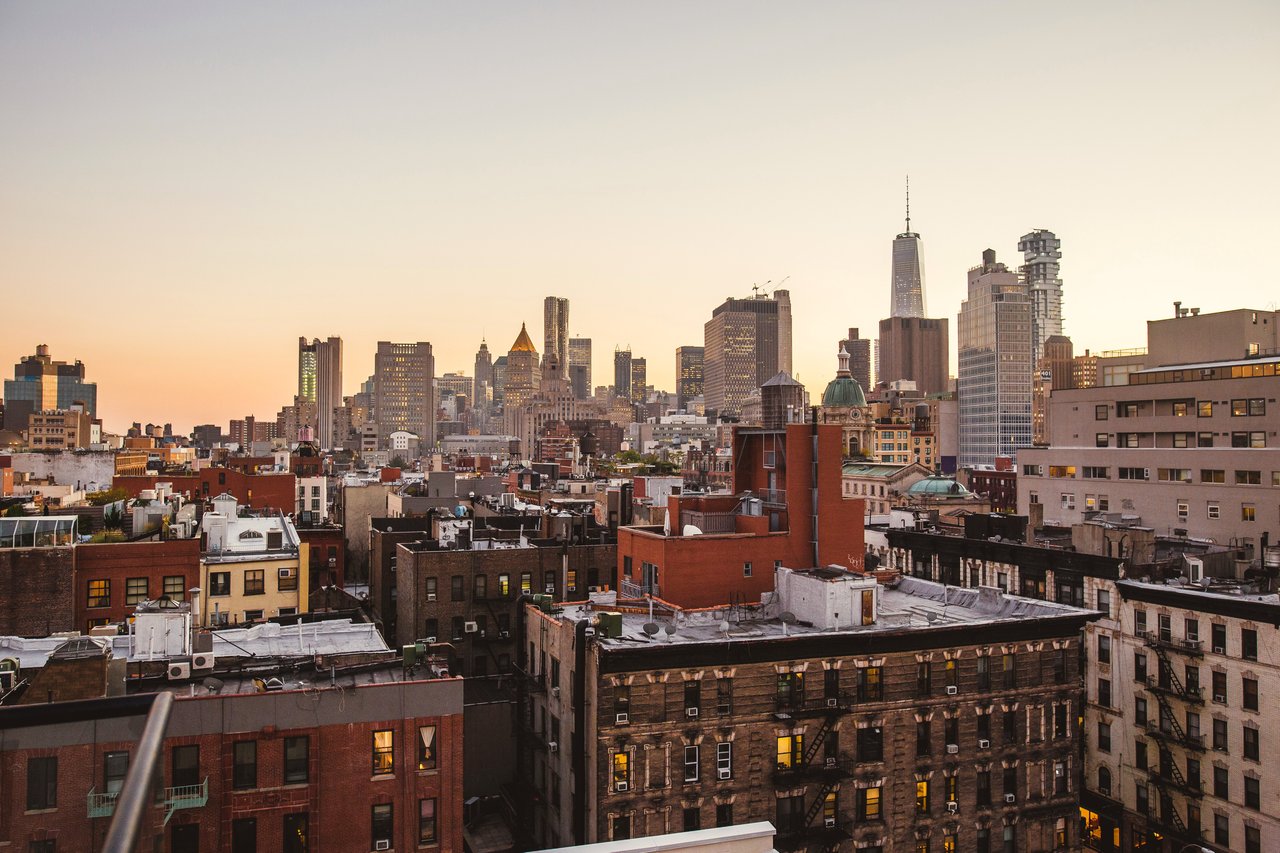
Part of what makes life along the High Line so appealing is the built environment around it. The West Chelsea Historic District has been described by the Landmarks Preservation Commission as a rare surviving example of one of New York City’s industrial neighborhoods, with simple brick facades, large window openings, warehouse complexes, and early Modernist industrial architecture.
The designation report also notes that the district retains nearly all of its historic building stock. That continuity gives the neighborhood texture. Instead of feeling generic, the streetscape carries a clear sense of place.
Old And New Coexist Here
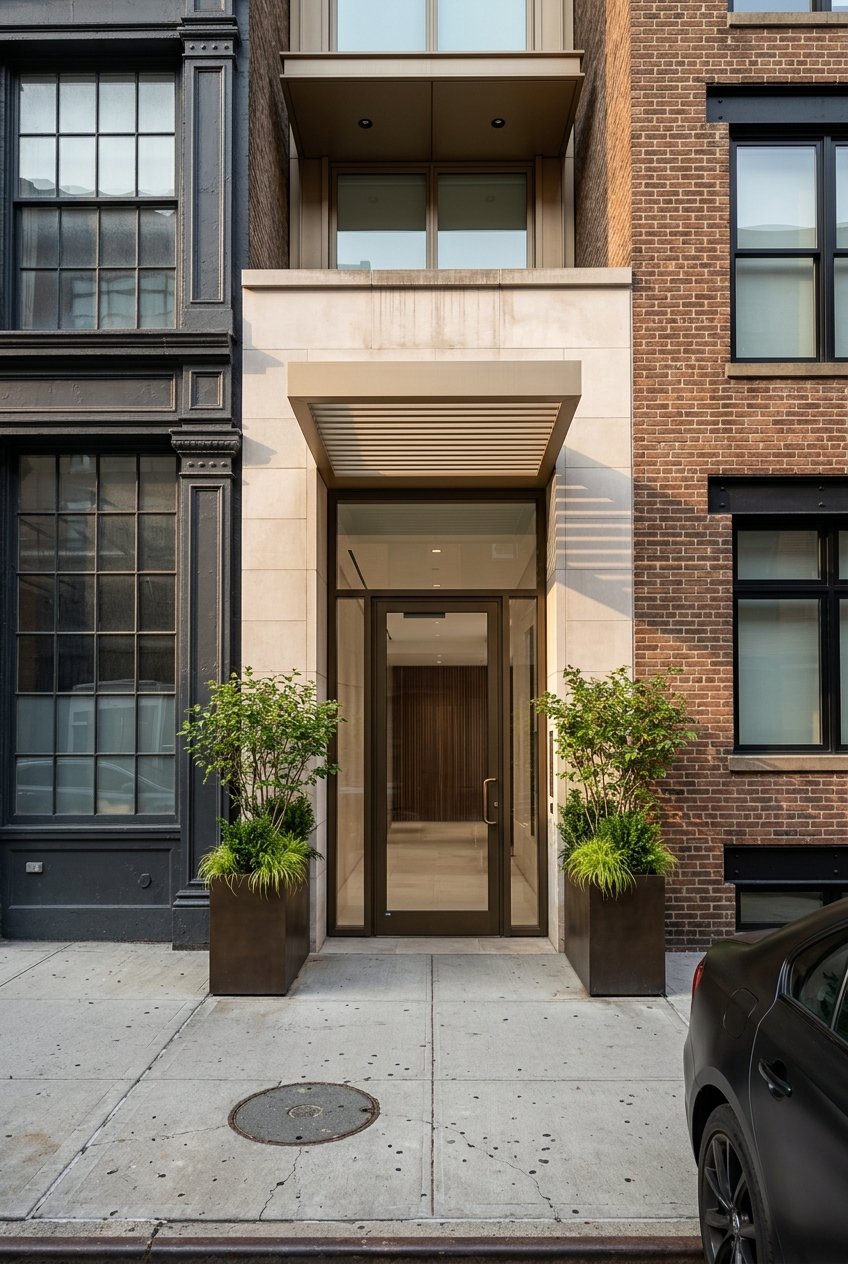
Chelsea’s appeal is not based on preservation alone. The Special West Chelsea District zoning framework was designed to guide the area as a mixed-use neighborhood, support residential uses on appropriate streets, encourage arts-related uses, and ensure that new buildings relate to neighborhood character and the High Line open space.
That balance helps explain why the neighborhood reads as polished and design-conscious. A 2015 city planning summary described West Chelsea as a place where historic row houses, new condominiums, residential towers, low-rise galleries, lofts, warehouses, and newer residential and commercial buildings coexist, with the High Line and Hudson River Park as defining features.
Why Buyers Are Drawn To This Stretch
For many buyers, Chelsea offers something hard to replicate elsewhere in Manhattan. You get architecture with history, new residential inventory, major outdoor assets, strong cultural texture, and a highly convenient daily layout.
That combination can appeal to several kinds of purchasers. It works for someone seeking a primary residence with easy access to outdoor space, a pied-a-terre buyer who wants a neighborhood with immediate lifestyle value, or an investor focused on an area with strong identity and lasting appeal.
What To Know Before You Buy
Chelsea is compelling, but it helps to understand the tradeoffs clearly. The neighborhood’s popularity is part of its appeal, yet that same popularity means some blocks feel busy, especially near the High Line and Chelsea Market.
For a buyer, that makes building and location nuance especially important. Two homes in the same broad area can offer very different experiences depending on exposure, block, building type, and relationship to the neighborhood’s busiest corridors. In a market like Chelsea, precision matters.
Chelsea Rewards A Thoughtful Search
If you are looking along the High Line, the best approach is usually not just to ask whether you like Chelsea. The better question is which version of Chelsea fits you best.
Some buyers want to be close to the most active stretch, with restaurants, art, and foot traffic right outside. Others want the same access to the High Line and Hudson River Park, but with a more tucked-away residential feel. Knowing that difference can shape a better decision and a better long-term outcome.
When you are evaluating a purchase in Chelsea, the conversation should go beyond finishes and views. The more important questions often involve building character, street experience, daily use, and how the home fits your life in practice. That is where neighborhood knowledge becomes valuable.
If you are considering buying or selling in Chelsea and want direct, strategic guidance on the neighborhood, reach out to Frances Katzen. Her team brings a clear, informed view of Manhattan real estate, with the discretion and precision that high-value decisions demand.
FAQs
What is the High Line in Chelsea?
- The High Line is a 1.45-mile public park on Manhattan’s West Side that runs from Gansevoort Street to West 34th Street between 10th and 11th Avenues.
What is daily life like near the High Line in Chelsea?
- Daily life near the High Line often includes easy access to walking paths, public programming, galleries, dining, and nearby waterfront space, all within a compact part of Manhattan.
What outdoor spaces are near the High Line in Chelsea?
- In addition to the High Line, Chelsea residents can access Hudson River Park and Chelsea Waterside Park, which includes a dog park, playground, athletic field, basketball court, and picnic area.
Is Chelsea a good fit for buyers who want culture nearby?
- Chelsea is known for its strong gallery presence, with destinations like Dia Chelsea and other galleries in West Chelsea contributing to the neighborhood’s cultural character.
What makes West Chelsea architecturally distinct?
- West Chelsea stands out for its preserved industrial buildings, historic district character, and the mix of older loft and warehouse structures with newer residential development.
What should buyers consider when looking near the High Line in Chelsea?
- Buyers should look closely at building type, exact block, exposure, and proximity to busier destinations like the High Line and Chelsea Market, since these factors can shape the living experience significantly.