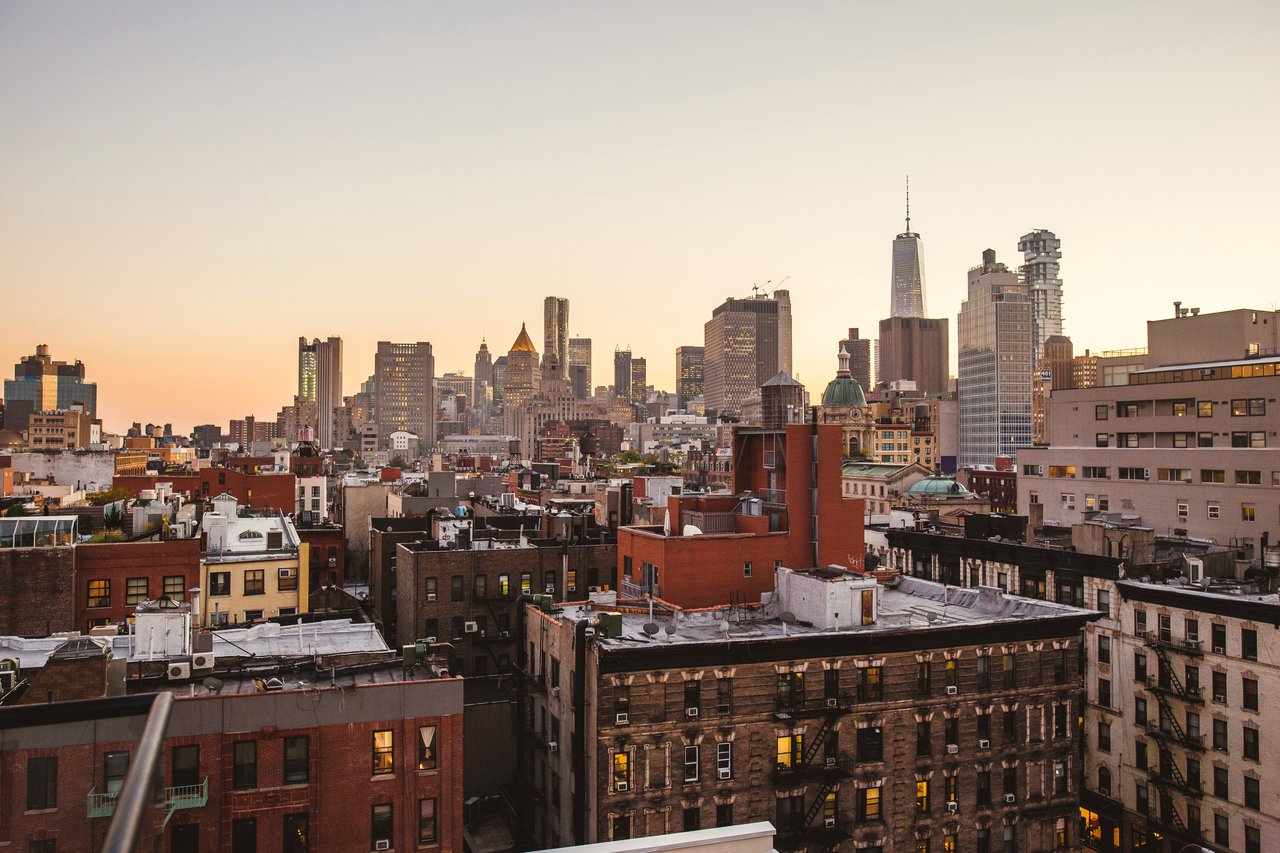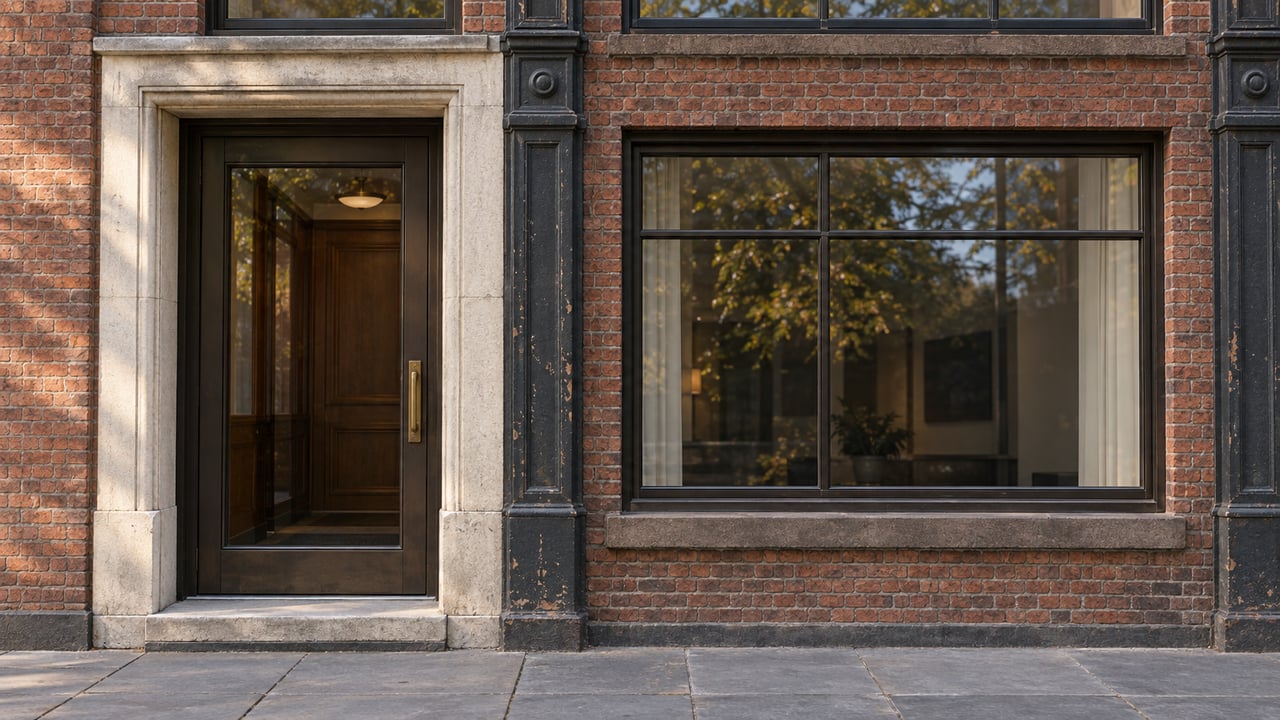
This year, news of three restaurant openings has centered on a six-block stretch of Eighth Avenue in the low 20s. That reads like growth. It isn't, not in the way it looks. Two of those three involve addresses that already ran a full life under someone else's name, and the third is landing in the same tight radius as the other two. Chelsea's fall restaurant news is less a story about new commercial space and more a story about how fast a single storefront can change hands without the block itself changing at all.
Same Blocks, New Names
Start at 461 W. 23rd St., where HED NYC opened this spring in the space that used to be Calle Dao. The restaurant is a 24-seat Thai tasting room from Naurephon "Billie" Wannajaro, who runs hed verythai and hed11 in San Francisco. Hed11 earned a Michelin Recommendation in the 2024 Guide, and HED NYC's head chef, Piriya Boonprasan, built his reputation at Saawaan in Bangkok, a restaurant that held a Michelin star from 2019 to 2022. The tasting menu runs through a soup course and a central rice course before splitting into stir-fried, curry, and fried dishes meant to be shared across the table. None of that required new construction. It required someone to take over a lease that Calle Dao had already vacated.
As Whatnow reported, a few blocks over at 158 8th Ave., Bar Lento is preparing to open in the space that used to be Rangoon, a Burmese restaurant, right next door to Da Andrea Chelsea. The couple behind it, Simone Viola and his wife Chiara, moved to New York from Verona to open a wine bar built around a small, tightly Italian menu split into antipasti, primi, secondi, and dolci, with seating for 27 indoors and another 10 on a back patio and bar. Filings pointed to a September opening. Whether the doors are open on the exact day you read this or a few weeks out, the address itself was never the obstacle. Rangoon had already done the work of proving the corner could support a full-service kitchen.
The third opening is the one exception to the reuse pattern, at least on paper. As Whatnow reported, Uka Omakase is bringing its second Manhattan location to 277 W. 22nd St., joining its flagship on the Upper East Side. The build includes two sushi bars, one seating 12 and another seating 32 in the center of the room, plus a standing bar, with a menu built around hamachi, madai, botan uni, and other cuts sourced from Japan. Whatever this particular address held before, Uka's arrival still lands inside the same few-block radius as HED and Bar Lento, which means that in one stretch of West Chelsea running roughly from 22nd to 23rd Streets along Eighth Avenue, nearly all of this year's headline restaurant news is concentrated on ground that was already zoned, built out, and licensed for exactly this use.
The Market That Keeps Swapping Tenants Instead of Walls
Chelsea Market runs the same pattern at a larger scale. Economy Candy has already moved in, and Supermoon Bakehouse and Alleva Dairy were set to follow by late summer, according to reporting from earlier this year. None of that required the Market to add a single square foot. The building's footprint has been fixed for years. What changes is which name sits behind which storefront, and the food hall's reputation as the West Side's go-to destination gets renewed by turnover rather than expansion.
That distinction matters if you live here and try to track what's actually new. A restaurant opening inside Chelsea Market or along Eighth Avenue doesn't tell you the neighborhood grew its dining capacity. It tells you a lease changed hands. The physical inventory of places to eat in Chelsea has stayed close to flat for a while. What moves is the churn rate inside that inventory, and this year that churn rate is unusually visible because three separate storefronts within walking distance of each other all turned over inside the same several months.
What Actually Stays Put
Set that churn against the things in Chelsea that don't depend on a new tenant to keep running. Urban Vegan Kitchen, at 265 W. 23rd St., has been hosting Roots & Rebels Nights every Thursday and Friday from 7 to 9 p.m., free live music built around blues, piano, and Latin ballads layered over its fully vegan menu. September's lineup included guitarist Luis Salcedo on the 3rd and 24th and pianist Santiago Gran Colombia on the 11th and 25th. The restaurant itself isn't new. The music series isn't new, and it doesn't need a construction permit or a liquor license filing to keep its Thursday slot. It just needs the restaurant to stay open, which it has.
The Down to Earth Farmers Market has held its spot on West 23rd Street off Ninth Avenue on Saturdays from 9 a.m. to 2 p.m. for more than a decade, running every April through December. That's a full generation of Saturdays in the same location, longer than most of the restaurants opening around it have existed at all.
The High Line has organized something genuinely new this year: a series of monthly Spotlight Tours led by volunteer docents, each built around a single theme, horticulture one month, art the next, then architecture and design, then history. The park itself has been open since June 2009, but this structured tour format is a fresh layer on top of infrastructure that was already there. And the Chelsea Garden Club held its annual walking tour on Saturday, Sept. 19, spotlighting the volunteer-tended gardens that show up in the tree pits along West Chelsea's pedestrian islands, a tradition that runs every year regardless of what's happening one block over on Eighth Avenue.
Reading the Difference
The restaurants churn because commercial leases churn. A space like 461 W. 23rd St. or 158 8th Ave. only needs one tenant to fail and another to sign for the storefront to look brand new, even though the building underneath hasn't changed since it was Calle Dao or Rangoon. The farmers market, the Thursday night music, the High Line's new tour program, and the Garden Club's walk don't work that way. They're calendar commitments, not commercial leases, and they don't reset every time a name changes on an awning.
If you're trying to keep track of what's actually new in Chelsea this fall, the address is a more reliable anchor than the restaurant name attached to it. A given storefront on Eighth Avenue might run through three or four concepts before the corner itself changes in any way that matters. The Saturday market, the Thursday music, and the walking tours are the parts of the neighborhood that hold their shape while everything around them keeps renaming itself.
Frances Katzen tracks these blocks the same way, watching which addresses keep changing hands and which parts of the neighborhood hold steady, because that pattern says more about a market than any single opening ever does.
This article is general information, not legal, tax or financial advice. Consult a qualified professional about your situation.