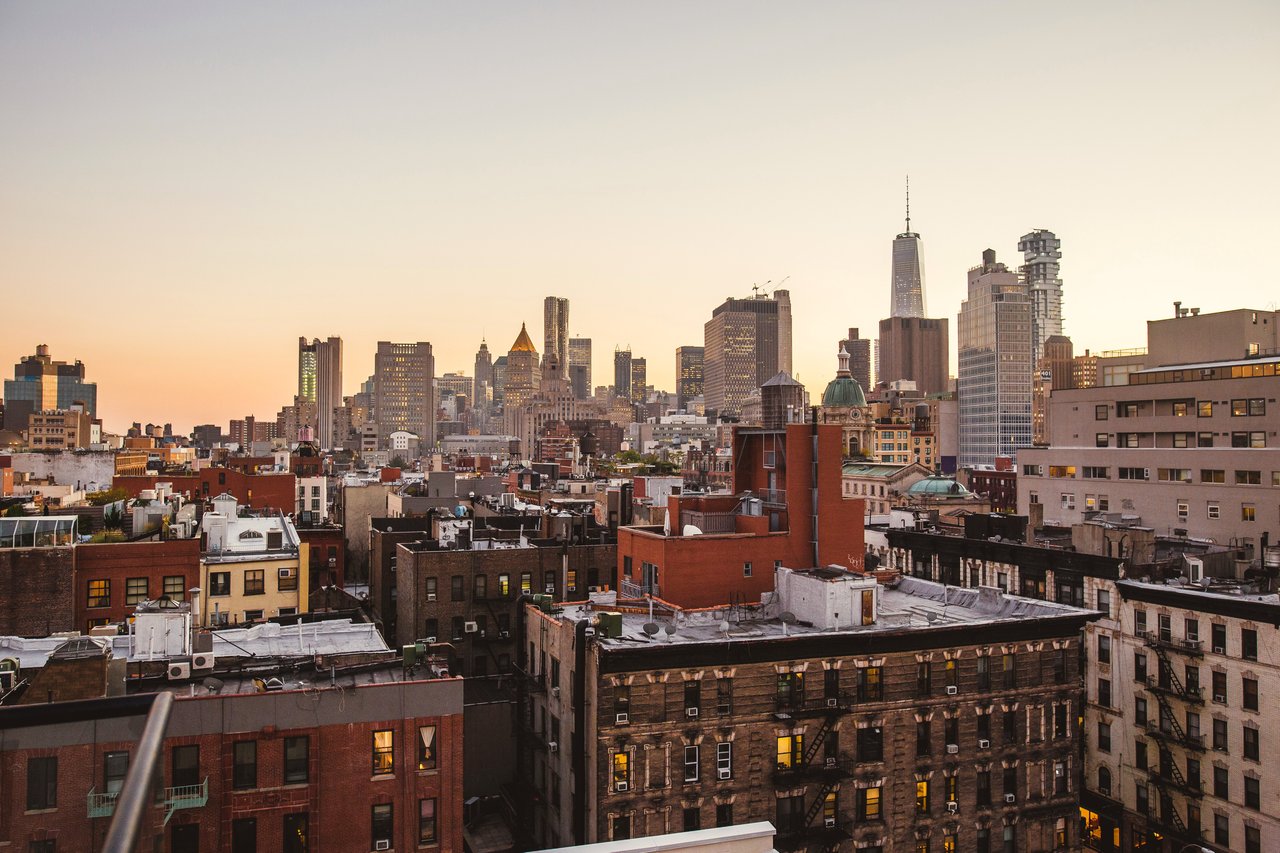
If you want a Manhattan neighborhood where contemporary art, riverfront space, and day-to-day convenience genuinely overlap, Chelsea belongs on your shortlist. For many buyers, the challenge is finding a neighborhood that feels cultured and livable at the same time, not just impressive on paper. Chelsea stands out because it delivers both, with a west-side setting shaped by galleries, adaptive-reuse buildings, and Hudson River access. Here’s what to know if you are considering Chelsea for its art scene, waterfront lifestyle, and long-term appeal.
Chelsea at a glance
Chelsea is broadly understood as a west-side Manhattan neighborhood, though official definitions vary slightly by source. Manhattan Community Board 4 covers a larger area from 14th Street to 59th Street on the west side, while other local references describe Chelsea more narrowly as stretching from 15th Street to 34th Street between the Hudson River and Sixth Avenue.
For practical purposes, Chelsea’s identity feels strongest west of Sixth Avenue. That is where the neighborhood’s mix of residential streets, former industrial buildings, cultural venues, and waterfront access becomes especially clear.
Why Chelsea feels distinct
Chelsea is not defined by just one feature. Its character comes from the way art, architecture, and open space sit close together within a walkable grid.
NYC Planning’s Special West Chelsea District was designed to support a mixed-use neighborhood, encourage arts-related uses, and facilitate the public reuse of the High Line as open space. That planning framework helps explain why Chelsea feels layered rather than one-note. You see it in the street life, the building stock, and the way older structures and newer residential development coexist.
For a buyer, that mix matters. It can create a daily rhythm where culture, exercise, dining, and home are all part of the same neighborhood experience.
Chelsea’s art scene is built into daily life
Chelsea’s strongest calling card remains its place in New York’s art world. NYC Planning has described West Chelsea as New York City’s premier art gallery district, and historical planning materials characterized it as the city’s largest gallery district, with almost 300 galleries.
That identity is not abstract. The gallery concentration has historically been centered west of Tenth Avenue, roughly between West 18th Street and West 27th Street, where former industrial buildings offered the kind of wide floor plates and loading conditions galleries needed.
For you as a resident, that translates into something very simple: art is part of the neighborhood fabric. It is woven into the blocks, storefronts, and reused warehouse-style buildings that define much of West Chelsea.
Notable cultural anchors
Several institutions make Chelsea’s arts identity easy to experience in real time:
- Dia Chelsea at 537 West 22nd Street offers free admission and is open Wednesday through Saturday.
- Gagosian maintains multiple Chelsea spaces, including locations on West 21st Street and West 24th Street.
- The Joyce Theater at 175 Eighth Avenue supports a 45- to 48-week annual season and draws more than 150,000 audience members each year.
The value here is not just prestige. It is access. In Chelsea, cultural experiences can fit into a normal weekday as easily as a planned evening out.
Waterfront living is a real lifestyle asset
In many neighborhoods, being near the water is more scenic than practical. In Chelsea, Hudson River Park functions as a true extension of daily life.
The park’s Chelsea section runs from West 17th Street to West 34th Street. According to Hudson River Park, visitors can sail, kayak, outrigger canoe, skate, use large lawns, ride the carousel, and spend time along the waterfront. The park also reports more than 17 million visits each year, with general hours from 6:00 AM to 1:00 AM.
That range of access is part of Chelsea’s appeal. The riverfront is not just a backdrop for views. It supports movement, recreation, and downtime across the day.
What you’ll find along the water
The Chelsea stretch of Hudson River Park includes several destinations that shape neighborhood life:
- Chelsea Piers, a major center for sports and entertainment
- Chelsea Waterside Park, with a picnic area, public restroom, turf field, basketball court, play area, and expanded dog park
- Pier 62, with an entry garden, carousel, and free California-style skatepark
- Pier 63, the park’s largest passive green space
- Pier 64, positioned for Hudson River views
- Pier 66a, home to Pier 66 Maritime and the historic Frying Pan
- Pier 66, with kayaking, sailing, and public art
This is one of Chelsea’s clearest advantages. You can step out for a run, walk a dog, spend time outdoors, or meet friends by the river without turning it into a major outing.
Chelsea supports an active routine
Chelsea’s west-side lifestyle is backed by broader local access patterns. In the larger Chelsea-Clinton profile, NYC Health reports 80% subway access, 94% park access, and 32% bike-lane coverage. The same profile reports 23.8% monthly bicycle use and 88.9% recent exercise.
Those figures reflect a broader area rather than Chelsea alone, but they still help describe the neighborhood’s rhythm. It is a place where getting around on foot, by subway, or by bike is part of everyday life.
For buyers thinking beyond square footage, that matters. A neighborhood that supports easy movement often delivers better day-to-day value than one that only looks good on a listing sheet.
Dining in Chelsea feels easy and local
Chelsea also performs well on convenience. The neighborhood’s food scene works because it is concentrated, walkable, and active throughout the day.
Chelsea Market is the easiest shorthand for that. Its official materials describe it as an internationally renowned culinary destination and a lively marketplace where people shop for fish, meat, cheeses, produce, and imported dry goods. The market also reports about 6 million visitors annually.
Just as important, it functions as an everyday resource. The concourse is open from 7:00 AM to 10:00 PM, and the market presents itself as a neighborhood destination for coffee, dinner, drinks, shopping, and immersive art.
Food and waterfront overlap here
Chelsea’s dining identity is not limited to indoor market space. On the waterfront, Pier 66 Maritime offers a seasonal restaurant setting on the historic Frying Pan barge at Pier 66a.
That detail says a lot about Chelsea as a whole. Even casual meals and drinks can feel tied to the neighborhood’s larger sense of place, with the river, reused structures, and outdoor spaces all playing a role.
Is Chelsea more residential or more destination-driven?
The answer is both. Chelsea has major destination uses, including Chelsea Market, The Joyce Theater, Dia Chelsea, Chelsea Piers, and Hudson River Park. At the same time, the neighborhood’s planning framework and street structure support residential life in a meaningful way.
That balance is part of its appeal. Chelsea can feel active and high-profile without losing the practical qualities buyers care about, like convenience, open space, and the ability to build a routine close to home.
For some buyers, this is exactly the point. You are not choosing between a cultural neighborhood and a livable one. In Chelsea, those two ideas are closely linked.
What luxury buyers should keep in mind
Chelsea’s appeal is deeper than address recognition. Its strongest value proposition is the way it lets work, wellness, and leisure sit close together.
You might spend an afternoon visiting galleries, head to the waterfront before dinner, and still move through the day efficiently. That overlap is one of the neighborhood’s most durable strengths, especially for buyers who want Manhattan living to feel both elevated and usable.
Chelsea also appeals to buyers who notice architecture and urban planning. The neighborhood’s adaptive-reuse buildings, mixed-use blocks, and relationship to the High Line and riverfront create a built environment with texture, not just polish.
Why Chelsea continues to hold attention
Many Manhattan neighborhoods offer one strong draw. Chelsea offers several, and they reinforce each other.
Its art scene remains central to its identity. Its waterfront is active and practical. Its food culture is easy to access. And its west-side layout supports a lifestyle that can feel efficient, healthy, and culturally engaged all at once.
If you are evaluating Manhattan neighborhoods through both a lifestyle lens and an asset lens, Chelsea is worth serious consideration. It is one of the rare areas where the daily experience often lives up to the reputation.
If you are thinking about buying or selling in Chelsea, working with an advisor who understands building nuance, timing, and long-term value can make the process far more strategic. To discuss Chelsea opportunities with clear, candid guidance, connect with Frances Katzen.
FAQs
What defines the Chelsea neighborhood in Manhattan?
- Chelsea is generally defined as a west-side Manhattan neighborhood, with its identity most strongly felt west of Sixth Avenue between the Hudson River and the midtown-downtown grid.
What is Chelsea known for besides the High Line?
- Chelsea is especially known for its contemporary art gallery district, cultural institutions like The Joyce Theater, and waterfront access through Hudson River Park.
How walkable is Chelsea for daily living?
- Chelsea benefits from strong subway access, high park access, and notable bike-lane coverage within the broader Chelsea-Clinton profile, supporting an easy walk-and-transit lifestyle.
What can you do in Hudson River Park near Chelsea?
- In Chelsea’s stretch of Hudson River Park, you can access lawns, sports facilities, dog-friendly areas, a carousel, skatepark, kayaking, sailing, and riverfront spaces for walking and relaxing.
Is Chelsea a good fit for buyers who value art and outdoor space?
- Yes. Chelsea stands out because its gallery district and waterfront amenities are both integrated into everyday neighborhood life, rather than functioning as separate destination features.